How to Automate PCB Magazine Storage with MES + AMR (IPC-CFX/OPC-UA)
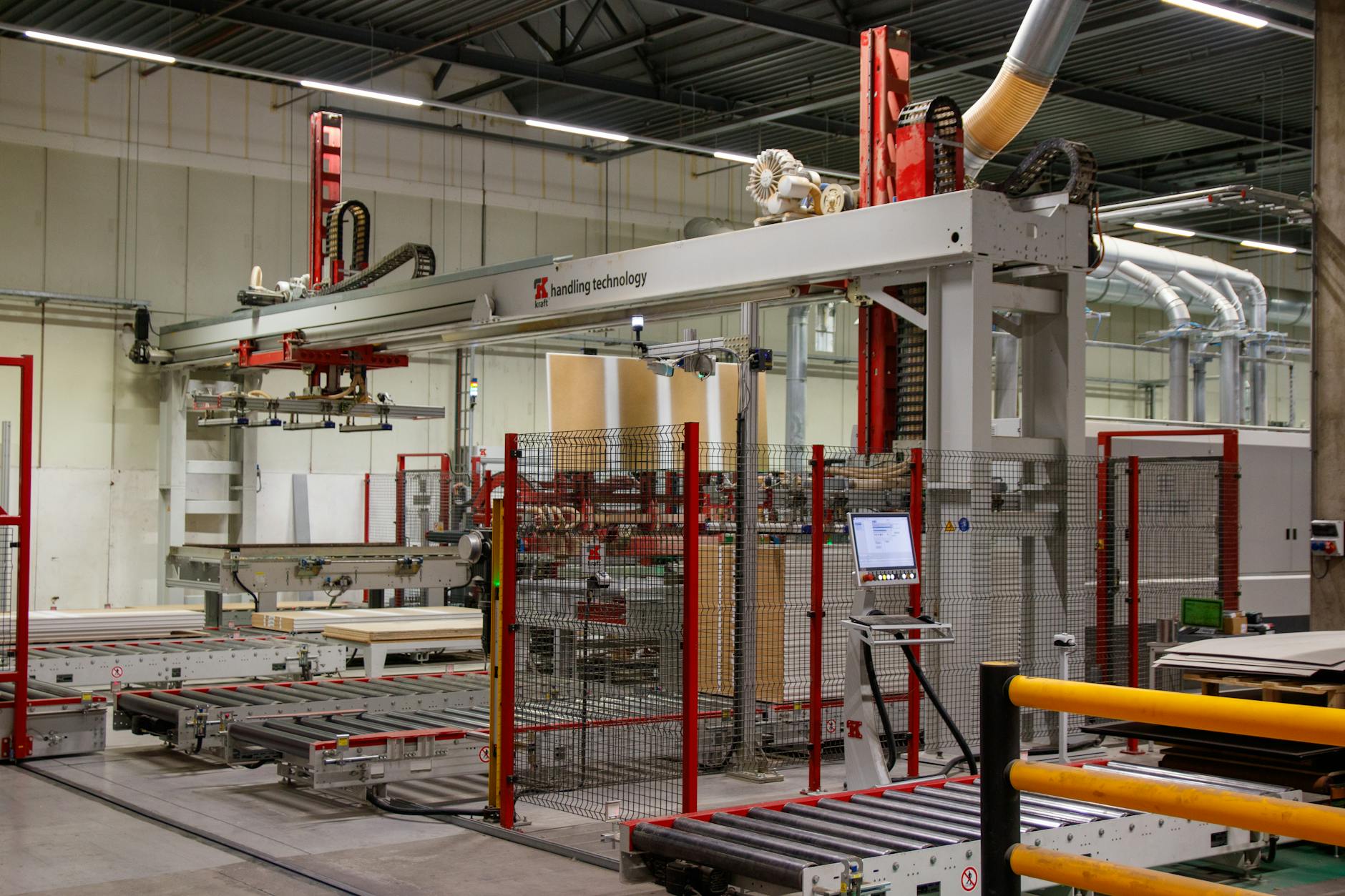
Connecting Magazine Storage to the Digital Factory
Automating PCB magazine storage is not just about a machine that holds magazines — it is about wiring that machine into the data and material flows of the rest of the factory. The payoff comes when an automated PCB magazine smart warehouse takes its instructions from your MES, reports status back over open protocols, and hands magazines to AMR or AGV fleets for delivery. This guide covers the integration architecture that makes that work: MES/ERP, IPC-CFX, OPC UA, RFID, and autonomous transport.
The Three Layers of Magazine Automation
A connected magazine warehouse operates across three layers. Get all three right and storage becomes a self-driving part of production.
1. The Storage Layer
The physical AS/RS stores magazines at high density and moves them mechanically — store, retrieve, return. On its own this is automation of muscle. The intelligence comes from the layers above and the connections below.
2. The Data Layer (MES/ERP over IPC-CFX & OPC UA)
This is where storage becomes smart. The warehouse subscribes to work orders from MES and reports inventory and movement events back. Two open standards do the heavy lifting:
- IPC-CFX (Connected Factory Exchange): the SMT-industry standard for machine-to-machine and machine-to-MES messaging. CFX gives the warehouse a common language with placement machines, printers, and the rest of the line.
- OPC UA: a vendor-neutral industrial protocol for secure, structured data exchange — widely used to bridge equipment to MES/ERP and SCADA.
With these in place, retrieval is driven by the actual production schedule, and WIP status is visible to planners in real time rather than discovered by walking the floor.
3. The Transport Layer (AMR/AGV + RFID)
The final link removes the last manual touch: moving magazines between the warehouse and the line. AMR (autonomous mobile robots) and AGV (automated guided vehicles) collect and deliver magazines on instruction, while RFID on each magazine guarantees identity at every handoff. The warehouse calls a robot, the robot takes the right magazine to the right line, and the event is logged end to end.
How a Retrieval Actually Flows
- MES releases a work order; the warehouse receives it over IPC-CFX/OPC UA.
- The system selects the correct magazine by FIFO/LIFO rule and RFID identity.
- The AS/RS retrieves the magazine and stages it for handoff.
- An AMR/AGV is dispatched to carry it line-side.
- Every step — selection, retrieval, transport, return — is logged and reported back to MES.
Integration Without Rip-and-Replace
The biggest practical concern is disruption. A well-designed system is additive: because it speaks IPC-CFX, OPC UA, REST, and SMEMA, it connects to the loaders, unloaders, conveyors, and robot fleets you already run. You are adding a storage hub and a data node to the line, not rebuilding it. Start by connecting the warehouse to MES for work-order-driven retrieval, then layer in AMR/AGV delivery when you are ready.
What You Get
| Integration | Outcome |
|---|---|
| MES/ERP over IPC-CFX / OPC UA | Work-order-driven retrieval; real-time WIP visibility |
| RFID magazine ID | Guaranteed identity and genealogy at every handoff |
| AMR / AGV handoff | Unmanned magazine delivery from storage to line |
| Full event logging | End-to-end traceability for audit and analytics |
This integration is what separates a true PCB magazine smart warehouse from a glorified rack. For the equipment progression that leads here, see our PCB magazine handling and storage guide. To scope an MES-connected, AMR-ready configuration, request a quote.