Excess Electronic Component Inventory: What to Do With It — and How to Stop Creating It
First, Triage What You Already Have
If you searched for excess electronic component inventory, you probably have shelves of it right now. Here are the realistic disposal routes, in descending order of recovery value:
- Distributor returns. Recent purchases from franchised distributors can often go back within 30–90 days, sometimes for full credit minus restocking. Check this before anything else — it is the only route that recovers near face value.
- Excess brokers and marketplaces. A whole industry buys excess stock (you will find them dominating this search results page). Expect 10–40 cents on the dollar for current, dated, traceable parts — less for anything old or unbanded. Get multiple quotes; spreads are wide.
- Internal consumption. Components with demand in your own other products are worth full value — if engineering knows they exist. A searchable, accurate inventory makes orphaned parts visible to designers.
- Certified scrap. For genuinely dead stock, certified e-waste recovery at least ends the carrying cost: floor space, dry storage, counting labor, and insurance on parts that will never ship.
One filter before you sell: check age, date codes, and moisture status honestly. Brokers discount hard for missing traceability — which is itself a lesson for prevention.
The Four Ways Excess Gets Created
1. MOQs bigger than demand
You need 800 resistors; the reel holds 10,000. Some of this is unavoidable economics — but it only becomes waste when the leftover 9,200 lose their identity and quietly expire on a shelf.
2. Shortage-era safety stock that never got trimmed
Buffers built during allocation crises have a way of becoming permanent. Without visible, trusted consumption data, nobody is confident enough to cut them.
3. Inventory records that drift from physical stock
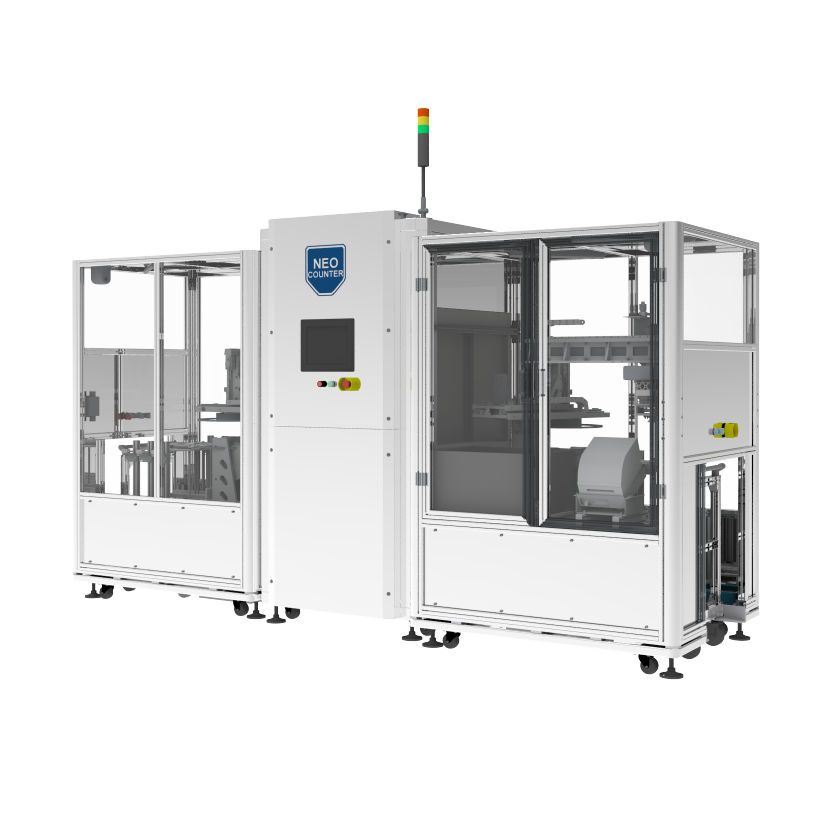
This is the preventable one. When the ERP says 3,000 and the shelf holds 7,000 — because partial reels came back with guessed quantities — purchasing buys 4,000 more. Verified counting closes the gap: an X-ray component counter turns every returned reel into an exact number, written back automatically.
4. Engineering changes that orphan parts
A revision swaps a component, and the old part’s remaining stock belongs to nobody. With lot-level records in electronic component inventory software, orphaned stock at least shows up in a report instead of being discovered at the annual count.
Prevention Is a Data Problem
Notice that causes 3 and 4 — usually the larger share — are not purchasing mistakes. They are visibility failures: physical stock and recorded stock disagreeing. The fix is to make agreement automatic rather than heroic:
- Every reel gets a unique ID at registration, so quantity, lot, and date code travel with it.
- Storage tracks locations — automated towers or LED-guided racks — so stock cannot hide.
- Quantities are verified by counting after production, not estimated.
- Consumption is visible per work order, so safety stock can be sized from data.
Factories that run closed-loop SMT material traceability typically find the annual write-off shrinks for a structural reason: you cannot re-buy what the system proves you already own. If you want to put numbers on your own situation, the material handling ROI calculator includes carrying-cost math.
Frequently Asked Questions
What can I do with excess electronic component inventory?
In order of recovery value: return recent purchases to the distributor, sell through excess brokers (10–40 cents on the dollar is typical), consume internally in other products, or scrap via certified e-waste handling. Audit age, date codes, and demand first.
Why do electronics manufacturers accumulate excess inventory?
MOQs larger than demand, shortage-era safety stock never trimmed, inventory records drifting from physical stock so purchasing re-buys existing parts, and engineering changes that orphan components. The last two are preventable data problems.
How do I prevent excess component inventory?
Make records and reality agree automatically: unique reel IDs, tracked locations, counted (not estimated) quantities, and per-work-order consumption visibility. Most preventable excess comes from re-buying stock the factory already owns but cannot see.