- Home
-
Solutions
-
Products
-
SMF Software
- KAI
-
Service & Support
- Global Support
-
About Neotel
- Blog
- Book a Demo
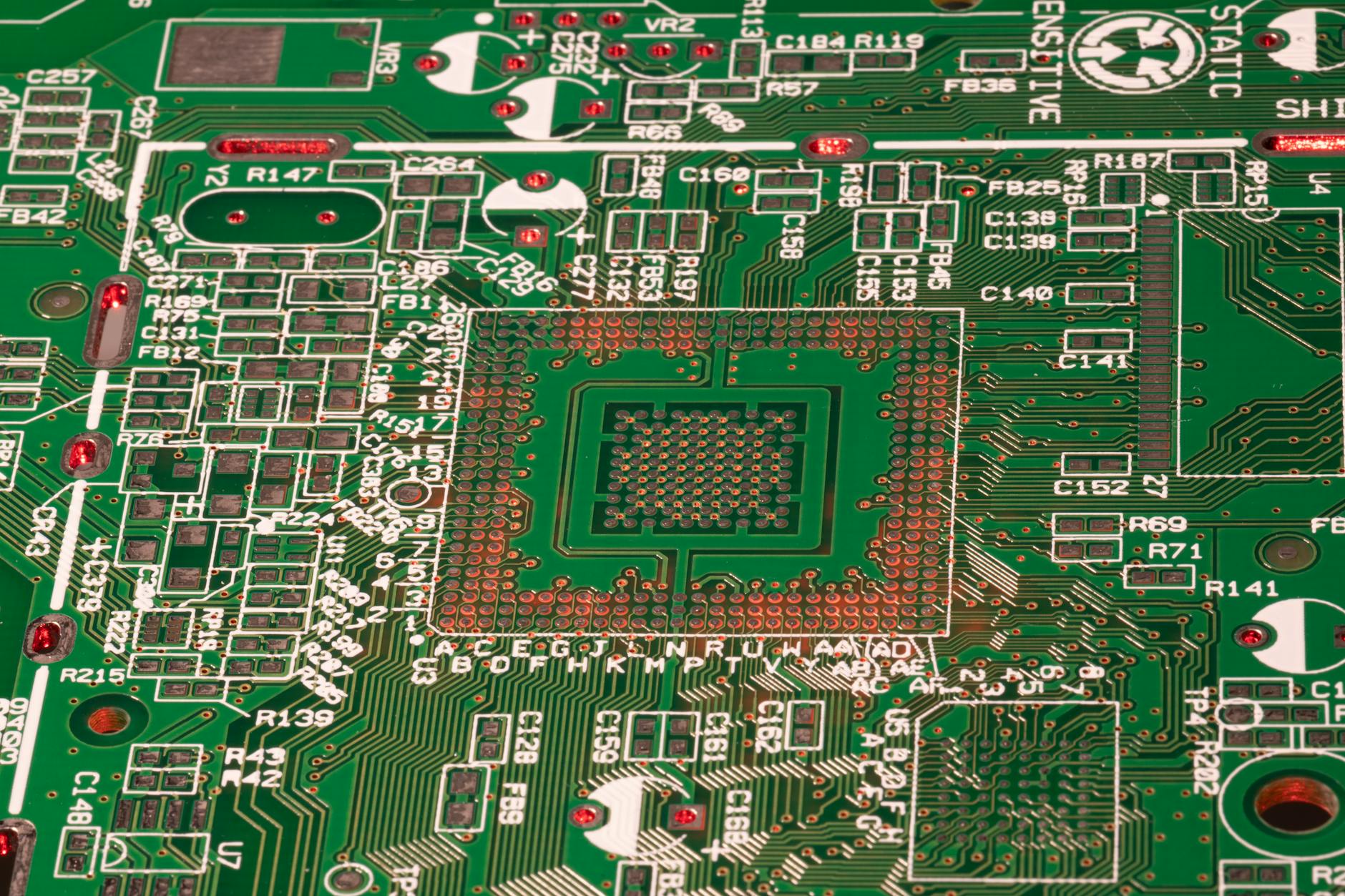
Photo by Nic Wood on Pexels
SUBA ENGINEERING PTY. LTD., headquartered in Bankstown, New South Wales (Greater Sydney), is one of Australia’s longest-established distributors of electronics manufacturing and wire processing equipment. With over 40 years of experience and offices in both Sydney and Melbourne, Suba Engineering serves manufacturers across Australia and New Zealand. As a distributor of Essegi Automation’s intelligent storage systems alongside Juki placement machines and Komax wire processing equipment, they are a key equipment partner for Australasian electronics and cable assembly manufacturers.
Suba Engineering’s four decades in the Australian market have given them deep relationships with the country’s manufacturing community. Unlike larger multinational distributors, Suba operates as a focused regional specialist — they know the Australian regulatory environment, understand the logistical challenges of serving manufacturers spread across a vast continent, and maintain direct relationships with equipment OEMs that enable them to provide factory-level technical support.
Their dual focus on electronics manufacturing (SMT assembly, soldering, storage) and wire processing (cutting, stripping, crimping) reflects the Australian market reality: many local manufacturers produce both PCB assemblies and cable harnesses, often in the same facility. A single equipment partner covering both domains is more efficient than maintaining separate vendor relationships.
Suba Engineering represents a carefully selected portfolio of premium equipment manufacturers:
Each brand in the portfolio is a recognized leader in its niche. Komax is the global standard in wire processing automation. Asscon pioneered vapor phase reflow soldering. Japan Unix is known for precision robotic soldering. This curated approach — quality over breadth — reflects the Australian market’s preference for proven, reliable equipment that will be supported for decades in a market where replacement parts must often be shipped from overseas.
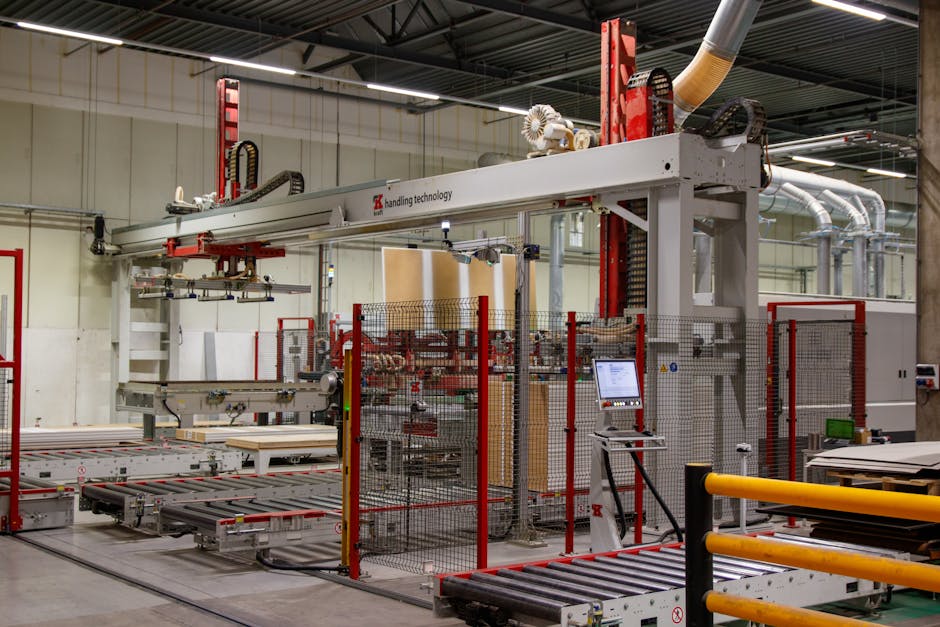
Photo by Freek Wolsink on Pexels
Australia’s electronics manufacturing sector is specialized rather than large-scale. The country does not compete with Asian mass-production, but maintains critical manufacturing capability in sectors where sovereign control, security clearance, or proximity to end-users is essential:
Australia’s defence sector is the single largest driver of domestic electronics manufacturing investment. Thales Australia, BAE Systems Australia, Raytheon Australia, and CEA Technologies produce radar systems, sonar arrays, communications equipment, electronic warfare systems, and missile guidance electronics. The AUKUS partnership and the Australian government’s commitment to increasing defence spending to 2.4% of GDP are driving significant new investment in domestic electronics manufacturing capability. These programs require Australian-based, security-cleared production facilities — they cannot be outsourced offshore.
Australia’s mining sector drives demand for ruggedized electronics — sensor systems, remote monitoring equipment, autonomous vehicle controllers, and communications gear designed for extreme environments. Companies like Caterpillar (autonomous mining trucks), Rio Tinto (remote operations centers), and numerous Australian tech companies produce electronics specifically for mining applications. These products are typically low-volume, high-reliability, and manufactured domestically.
Cochlear Limited (cochlear implants), ResMed (respiratory devices), and a growing ecosystem of medical device startups manufacture in Australia, primarily in Sydney and Melbourne. Medical device manufacturing under TGA regulations and ISO 13485 requires the same material traceability discipline as defence — every component must be tracked from incoming inspection through final assembly.
While Australia’s automotive assembly industry wound down in 2017, a significant aftermarket and specialty vehicle electronics sector remains. Companies producing bus electronics, rail signaling systems, and automotive aftermarket products maintain SMT assembly capability, often in the same facilities that also produce defence or industrial electronics.
Australia’s electronics manufacturing market presents unique challenges and opportunities for intelligent storage adoption. The market is small — perhaps 200-300 factories with dedicated SMT lines — but the value of components handled is high and the consequences of MSD violations are severe in defence and medical applications.
Factors shaping storage automation in Australia:
For Australian manufacturers, the choice between purchasing through a local distributor like Suba Engineering — with established local support — and buying directly from a manufacturer comes down to the balance between local service availability and integration flexibility.
Neotel ships the SMD BOX intelligent storage system directly to manufacturers in Australia and New Zealand. Unlike ecosystem-locked solutions, the SMD BOX integrates with any MES, ERP, or placement machine brand via open REST API — no vendor lock-in, no ecosystem restrictions.
With 12 models ranging from compact single-tower units to enterprise-scale systems storing 10,000+ reels, there is a configuration for every factory size and throughput requirement.
Request a Quote Explore SMD BOX SeriesFor a detailed comparison of how the Neotel SMD BOX stacks up against the Essegi-distributed intelligent storage system from JUKI, see our JUKI ISM vs. Neotel SMD BOX comparison.
SUBA ENGINEERING PTY. LTD. is headquartered in Bankstown, New South Wales (Greater Sydney), with a second office in Melbourne, Victoria. They have served the Australian and New Zealand electronics manufacturing market for over 40 years.
Suba Engineering represents Juki (SMT placement), Komax (wire processing), Kolb (cleaning systems), Asscon (vapor phase reflow), Essegi Automation (intelligent storage), Metzner (wire cutting), Japan Unix (robotic soldering), and Ebso (selective soldering). Each brand is a recognized leader in its niche.
Yes. Neotel ships the SMD BOX intelligent storage system directly to manufacturers in Australia and New Zealand. The SMD BOX is vendor-agnostic, integrating with any MES, ERP, or placement machine brand via open REST API. Request a quote for pricing and lead times.
Suba Engineering’s equipment portfolio — particularly Juki placement machines and Essegi intelligent storage — is well suited to Australian defence electronics manufacturers like Thales Australia, BAE Systems Australia, and CEA Technologies. Defence programs increasingly require automated material traceability, making intelligent storage a compliance requirement for contract manufacturers.
Yes. Suba Engineering serves the broader Australasian market including New Zealand. With offices in Sydney and Melbourne, they provide sales, installation, and ongoing technical support to electronics manufacturers across both countries.