- Home
-
Solutions
-
Products
-
SMF Software
- KAI
-
Service & Support
- Global Support
-
About Neotel
- Blog
- Book a Demo
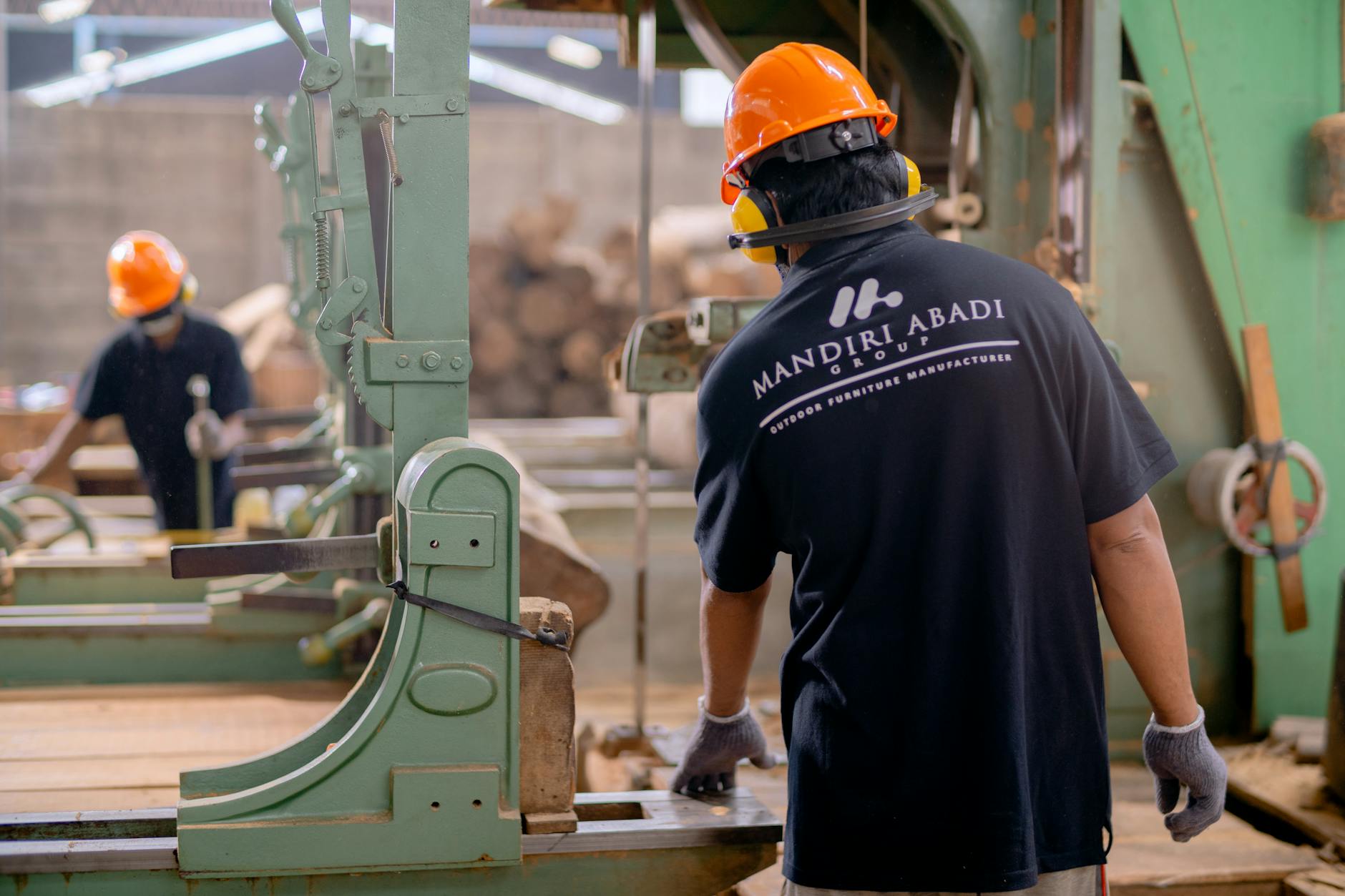
Photo by Mandiri Abadi on Pexels
SC ATT S.E. Europe srl is the Southeast European arm of the ATT Group, one of Central Europe’s most comprehensive SMT equipment distributors. Headquartered in Timisoara, Romania, with offices in Sofia (Bulgaria), Belgrade (Serbia), and Ljubljana (Slovenia), ATT S.E. Europe serves the rapidly growing electronics manufacturing sector across the Balkans and surrounding region. As an authorized distributor for Essegi Automation, they bring intelligent component storage solutions to a market that is investing heavily in production capacity and automation.
ATT S.E. Europe operates as a technical supplier rather than a pure reseller. They provide process consulting, equipment selection, and after-sales support tailored to the specific challenges of Southeast European manufacturers — many of whom are scaling from manual or semi-automated production lines to fully automated SMT assembly for the first time. This consultative approach positions them as a natural partner for factories evaluating their first intelligent storage system.
The four-country office network gives ATT S.E. Europe an unusual advantage in a fragmented region: a manufacturer in Serbia can receive the same level of pre-sales engineering and post-installation support as one in Romania, despite the different regulatory environments and languages.
Through its parent ATT Group, SC ATT S.E. Europe distributes equipment spanning the full SMT production chain:
This full-line portfolio means ATT S.E. Europe customers encounter intelligent storage as part of a broader automation conversation — typically when a factory upgrades its placement machines and realizes that manual material handling has become the bottleneck limiting line utilization.
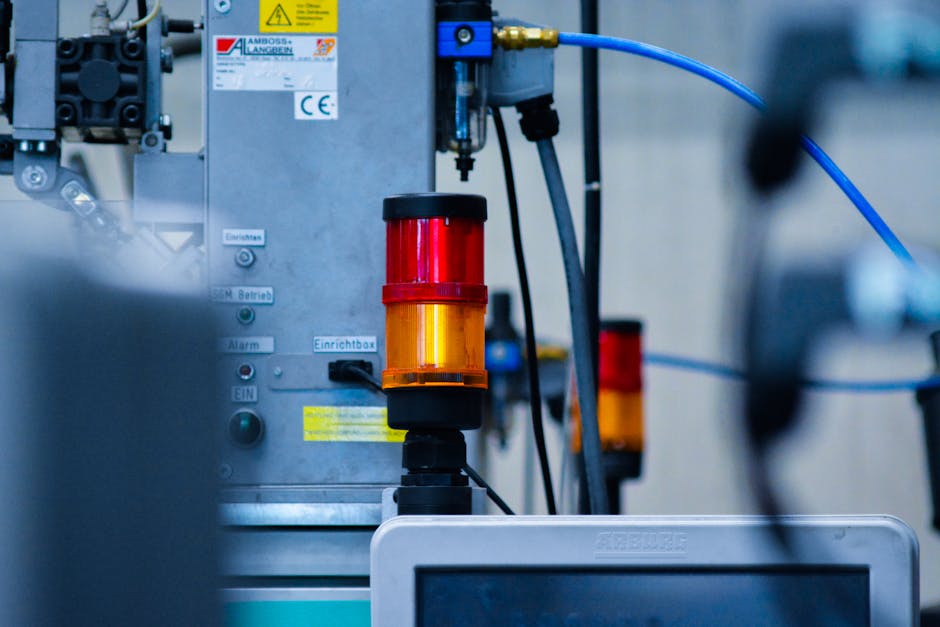
Photo by Katharina-Charlotte May on Pexels
Southeast Europe has emerged as one of the fastest-growing regions for electronics manufacturing in the EU, driven by automotive investment, lower labor costs than Western Europe, and EU structural funds supporting industrial modernization.
Romania is the region’s standout performer. Continental’s massive facility in Sibiu produces automotive ECUs and sensor modules, while Bosch’s Cluj-Napoca plant manufactures ABS and ESP systems. Timisoara itself — where ATT S.E. Europe is headquartered — hosts Flex (formerly Flextronics), Hella, and multiple Tier 2 automotive EMS providers. The country’s electronics exports exceeded EUR 10 billion in recent years, with automotive electronics driving the majority of growth. Romanian EMS factories are rapidly moving from manual assembly to high-mix automated lines, creating strong demand for material logistics solutions.
Serbia has attracted significant foreign investment in automotive manufacturing, with the Kragujevac industrial zone (Stellantis/Fiat) anchoring a growing supplier ecosystem. Electronics manufacturing clusters are developing around Novi Sad and Belgrade, supported by competitive labor costs and Serbia’s EU accession track. The Serbian market is earlier in its automation journey than Romania, meaning factories here often represent greenfield opportunities for integrated storage-and-production solutions.
Despite its small size, Slovenia punches above its weight in electronics manufacturing. Companies like Iskra, Kolektor, and Hidria produce sophisticated electronic assemblies for automotive and industrial customers. Slovenia’s manufacturing base is more mature and automated than its Balkan neighbors, with higher adoption of Industry 4.0 concepts — making it a receptive market for intelligent storage solutions that integrate with existing MES and ERP systems.
Bulgaria’s electronics sector is smaller but growing, with Plovdiv and Sofia hosting several EMS operations that serve Western European OEMs seeking nearshore assembly at competitive costs. Bulgarian factories often produce consumer and industrial electronics in medium volumes — a segment where material search times and MSD handling errors have outsized impact on margins.
Automated component storage adoption in Southeast Europe is still in its early stages compared to Germany, Scandinavia, or the Benelux. Most factories in the region rely on traditional shelving, manual inventory counts, and paper-based MSD floor life tracking. However, the adoption curve is accelerating for several reasons:
For Southeast European manufacturers evaluating intelligent storage, the choice is between purchasing through a regional distributor like ATT S.E. Europe — gaining local-language support and integration with other equipment they represent — or working directly with a manufacturer that offers open-architecture integration and global direct-ship capability.
Neotel ships the SMD BOX intelligent storage system directly to manufacturers in Romania, Serbia, Slovenia, Bulgaria, and across Europe. Unlike distributor-locked solutions, the SMD BOX integrates with any MES, ERP, or placement machine brand via open REST API — no vendor lock-in, no ecosystem restrictions.
With 12 models ranging from compact single-tower units to enterprise-scale systems storing 10,000+ reels, there is a configuration for every factory size and throughput requirement.
Request a Quote Explore SMD BOX SeriesFor a detailed comparison of how the Neotel SMD BOX stacks up against the Essegi-distributed intelligent storage system from JUKI, see our JUKI ISM vs. Neotel SMD BOX comparison.
SC ATT S.E. Europe srl is headquartered in Timisoara, Romania, with additional offices in Sofia (Bulgaria), Belgrade (Serbia), and Ljubljana (Slovenia). They are part of the ATT Group, which is headquartered in Austria.
ATT S.E. Europe distributes a full range of SMT equipment including screen printers, pick and place machines, reflow and wave soldering systems, selective soldering, AOI/SPI/X-ray inspection, dispensing systems, board handling, and Essegi Automation intelligent storage solutions.
Yes. Neotel ships the SMD BOX intelligent storage system directly to manufacturers in Romania, Serbia, Slovenia, Bulgaria, and throughout Southeast Europe. The SMD BOX integrates with any MES, ERP, or placement machine brand via open REST API. Request a quote for pricing and lead times.
Yes. EU structural and cohesion funds, along with national Industry 4.0 incentive programs in Romania, Serbia (pre-accession funds), Slovenia, and Bulgaria, can subsidize automation equipment purchases by up to 50% for qualifying manufacturers. Eligibility varies by country, factory size, and program cycle.
ATT S.E. Europe srl is the Southeast European subsidiary of the ATT Group, focusing on Romania, Bulgaria, Serbia, and Slovenia. ATT Austria (att.co.at) is the parent company serving the Austrian market. Both distribute the same equipment brands, including Essegi Automation, but ATT S.E. Europe provides localized support in the languages and regulatory environments of the Balkans region.