
Category: SMT Storage Solutions
-
Ecosystem-Integrated vs. Open-API SMT Storage: How to Choose
JUKI ISM and Neotel SMD BOX both promise smart storage. This honest comparison breaks down where each system excels and where it falls short.
-
Replacing an Ageing SMT Storage Tower: A Three-Phase Migration Plan
The Yamaha YST15 has been a reliable name in SMT storage. But the Neotel SMD BOX offers more capacity, better integration, and stronger ROI.
-

FIFO/LIFO PCB Magazine Storage for SMT WIP Control
Dispatch strategy decides your WIP control. This guide explains when FIFO and LIFO apply and how automated storage enforces them by rule instead of by memory.
-
PCB Magazine Rack vs Automated Magazine Storage: When to Upgrade
A static magazine rack is cheap and simple until board mix and traceability outgrow it. Here is exactly when automated magazine storage starts to pay off.
-
What Is a PCB Magazine? Loader vs Unloader vs Buffer vs Smart Warehouse
Loaders, unloaders, buffers, and smart warehouses all handle the same carrier but do very different jobs. This guide defines each so you can match equipment to the problem.
-

PCB Magazine Handling and Storage: From ESD Racks to Automated Smart Warehouse
A static rack, a loader, a buffer, or a full smart warehouse? This guide walks the complete maturity ladder of PCB magazine handling and shows when to climb each rung.
-
The Complete Guide to SMT Reel Storage: From Manual Shelves to Automated Systems
Everything you need to know about storing SMT reels — from basic shelving to fully automated intelligent storage systems.
-
FIFO vs. FEFO: Choosing the Right Material Rotation Strategy for SMT Production
Choosing between FIFO and FEFO can significantly impact your MSD compliance and material waste. This guide breaks down when each strategy works best.
-
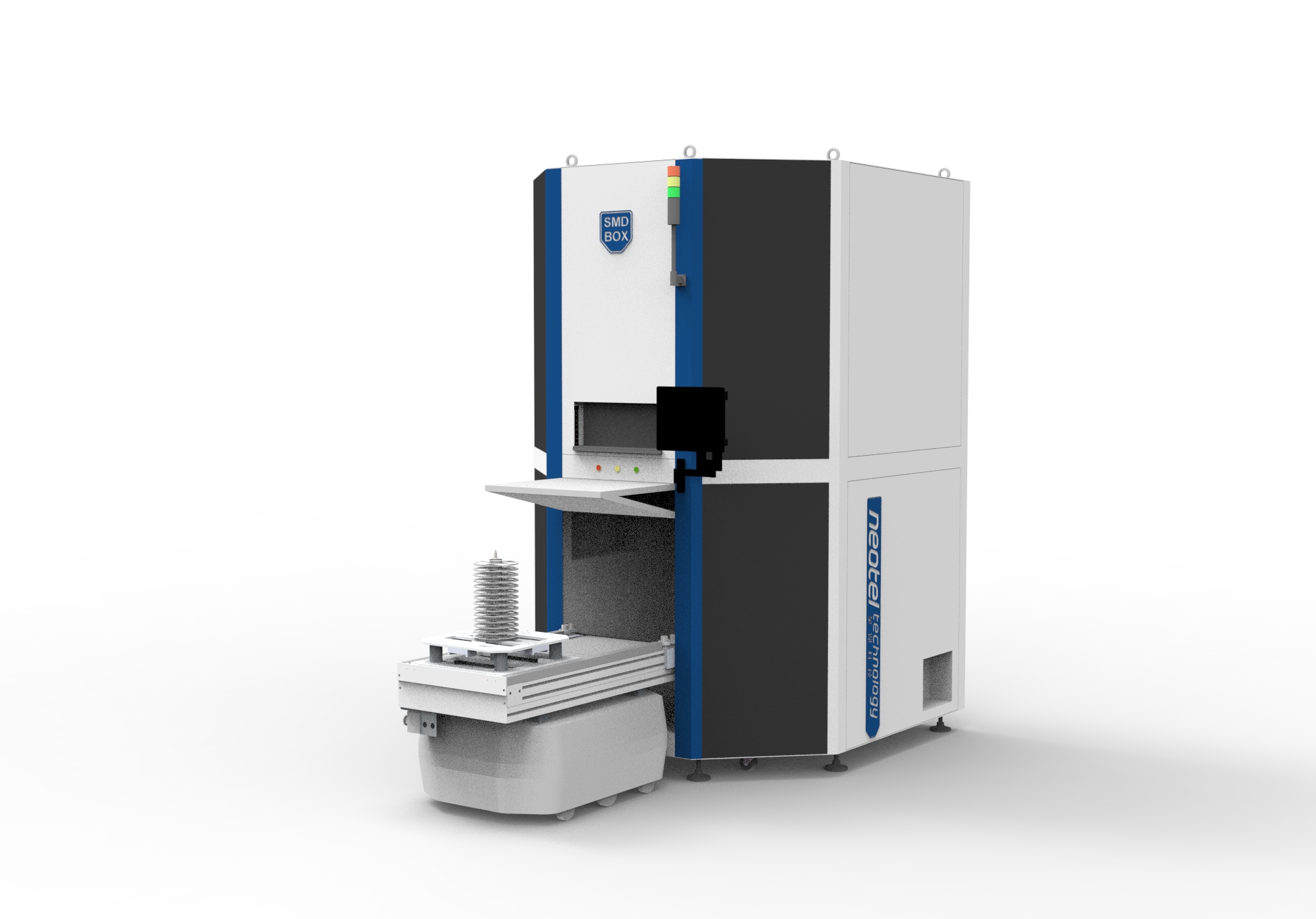
SISO vs. MIMO in Automated SMT Reel Storage: Which Operating Mode Fits Your Line?
Back to Blog Automated reel storage systems work in one of two operating modes. In single-in single-out (SISO) mode the system handles one reel per operation. In multi-in multi-out (MIMO) mode it stores and retrieves several reels in parallel. Neither is better in general: the right mode depends on how many reels move per shift,…
-
Direct Reel Handling vs. Pallet-Based SMT Storage: A Workflow Comparison
← Back to Blog Direct Reel Handling vs. Pallet-Based SMT Storage: A Workflow Comparison Automated SMT reel storage systems follow one of two handling concepts. In a direct-handling system, the machine grips and stores each reel on its own. In a pallet-based (also called tray- or carrier-based) system, the reel is first placed on a…