
Category: Blog
-
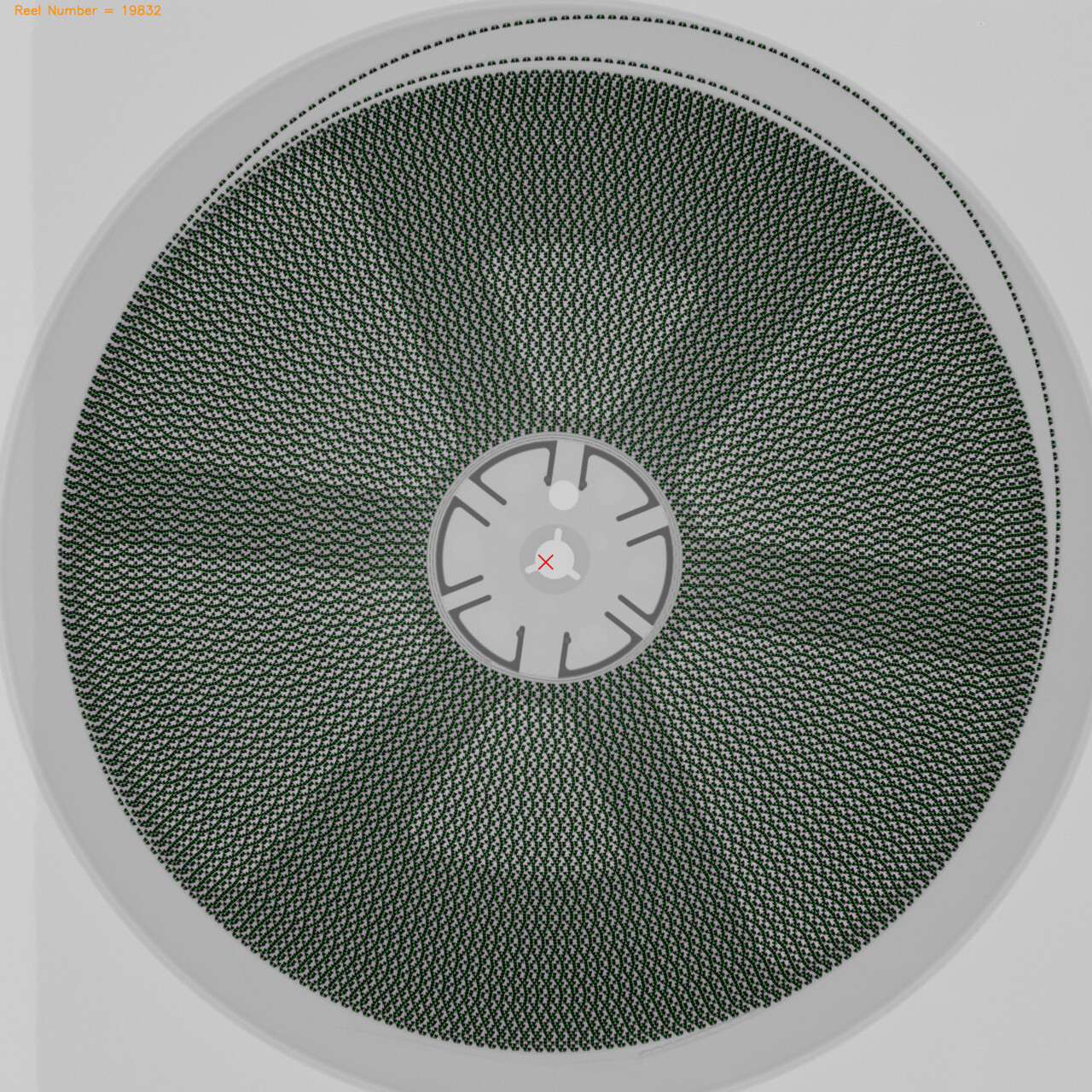
Everything about SMD components
Everything about SMD components ← Back to Blog SMD component history SMD components were developed in the 1960s as a way to reduce the size and weight of electronic devices and to improve their reliability. They became widely used in the electronics industry in the 1980s and 1990s, as surface mount technology (SMT) became more…
-

Streamlining assembly lines: How digitalization is changing the game for through-hole component assembly
Streamlining assembly lines: How digitalization is changing the game for through-hole component assembly ← Back to Blog Manual through hole assembly risks and challenges Manual through-hole technology, darling, is a quaint method of assembling electronic devices. It involves manually inserting components into holes drilled in a printed circuit board and then soldering them. It’s like…
-
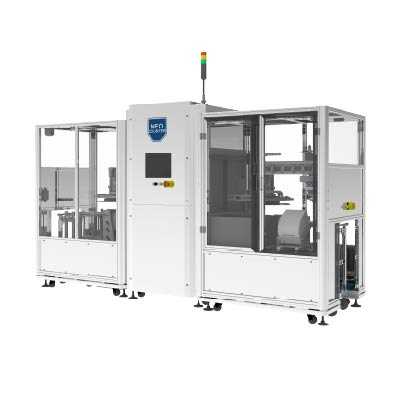
Top 10 benefits of using smart storage system
Top 10 benefits of using smart storage system ← Back to Blog SMT smart storage system Smart storage systems are an essential part of modern PCB assembly processes, as they allow manufacturers to efficiently store and access the many different types of components that are used in these assemblies. SMT storage systems may be used…
-
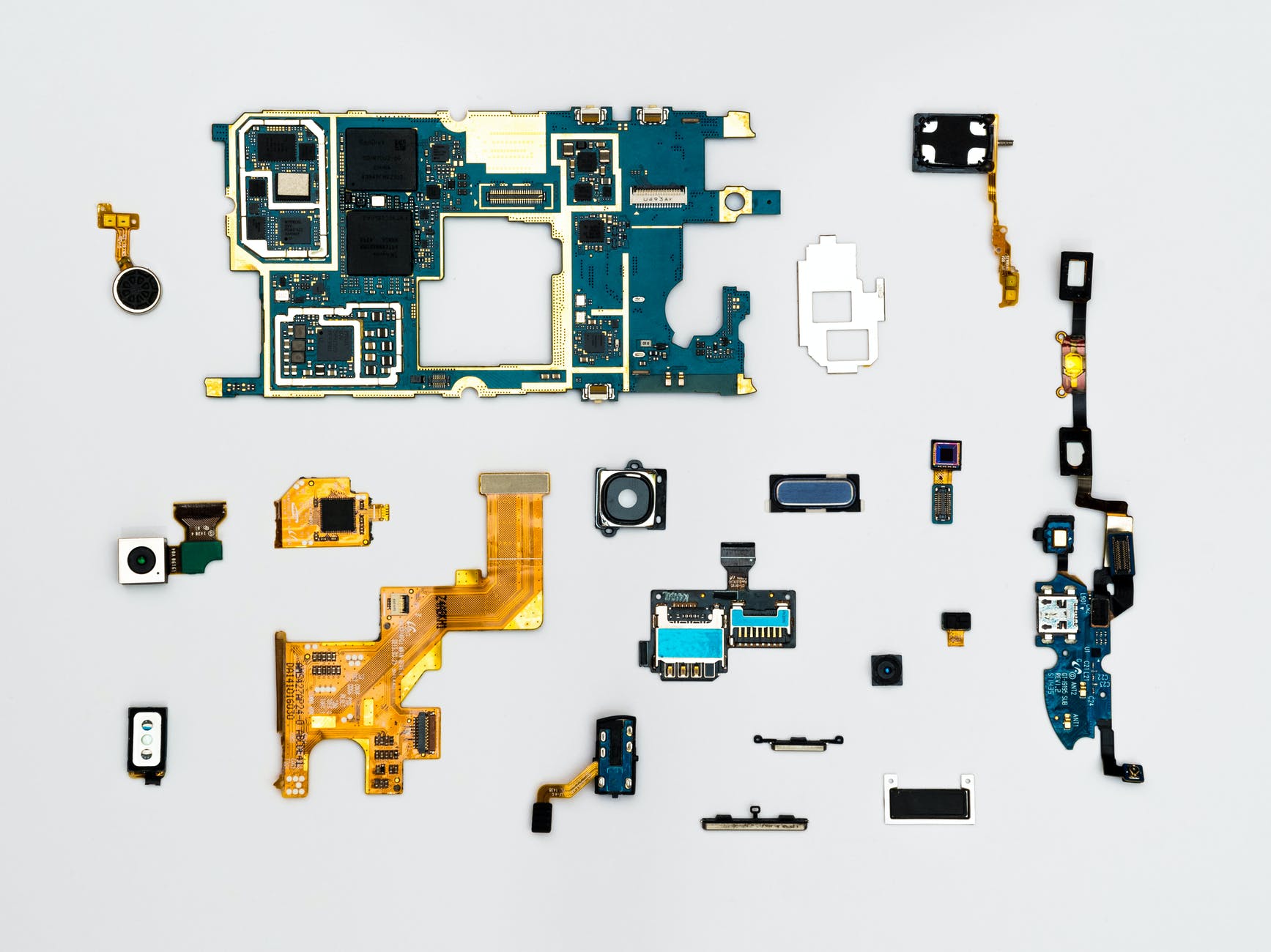
Lean Six Sigma
Lean Six Sigma ← Back to Blog As companies have mixed and matched business management philosophies throughout the years, many have found that the methodologies of Lean Manufacturing and Six Sigma work well in complement with each other. Thus, Lean Six Sigma was gradually adopted through a dual minded purpose of reducing both variations and…
-
PDCA Cycle
PDCA Cycle ← Back to Blog A staple of any variation of institutional quality control methodology, the PDCA Cycle is a simple yet effective tool to plan and differentiate the steps of continuous improvement on a per-project basis. The PDCA Cycle is an iterative tool that is commonly used in the Six Sigma and Total…
-

Productivity Monitoring
Productivity Monitoring ← Back to Blog What is Productivity Monitoring? Knowing how productive your employees are is good. But being able to collect data and use it to optimize your production is nothing short of excellent. Productivity monitoring helps people track their goals and understand the inner workings of their operations while empowering workers through…
-
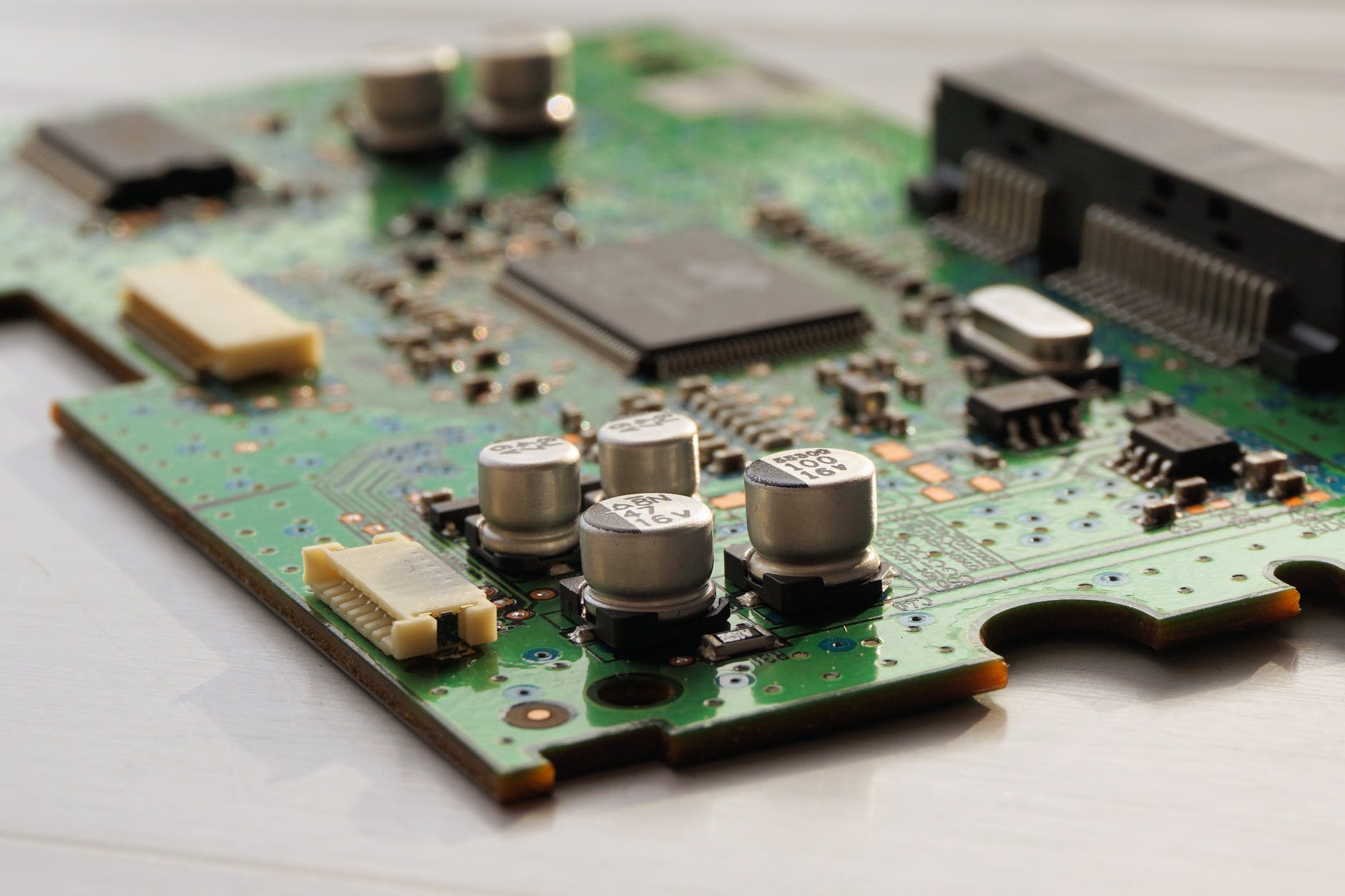
Six Sigma
Six Sigma is a management philosophy with the goal of reducing quality defects in production processes using a broad variety of statistical analysis “tools” and techniques. It is a robust methodology that borrows elements from other manufacturing methodologies, such as Lean, Agile Manufacturing, Total Productive Maintenance (TPM), and the relatively similar (but functionally distinct!) Lean…
-

What is Inventory?
While we often discuss inventory in terms of goods for sale, organizations – manufacturers, service-providers also have inventories (fixtures, furniture, supplies, etc.) that they do not intend to sell.
-
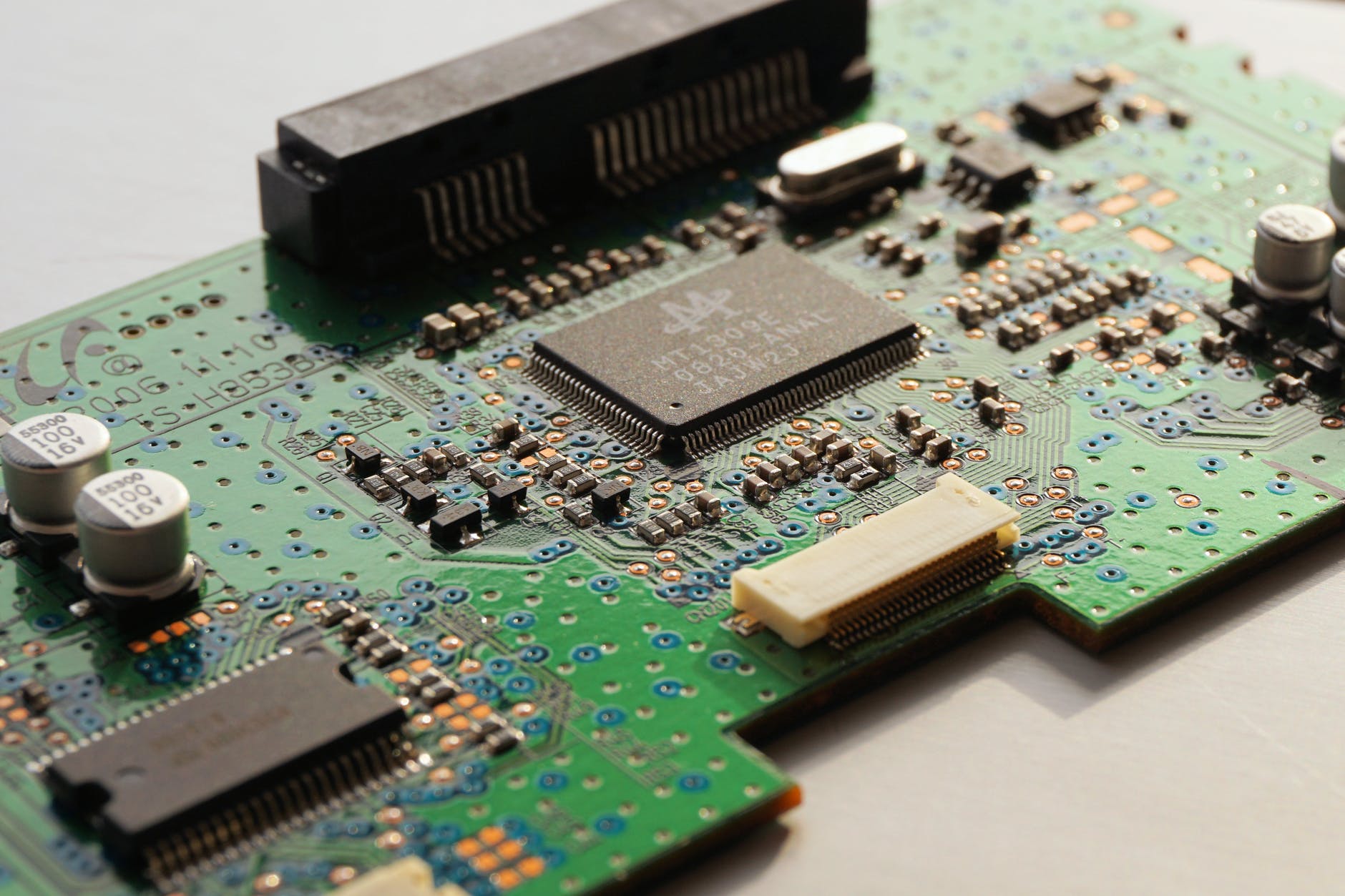
Six things about MES
Six things about MES ← Back to Blog What is an MES? An MES (Manufacturing Execution System) is a management-level tool used by manufacturers to monitor and control the transformation of materials into finished goods. By incorporating an MES into their operations, manufacturers gain complete visibility into a variety of production silos. This includes: Resource…
-
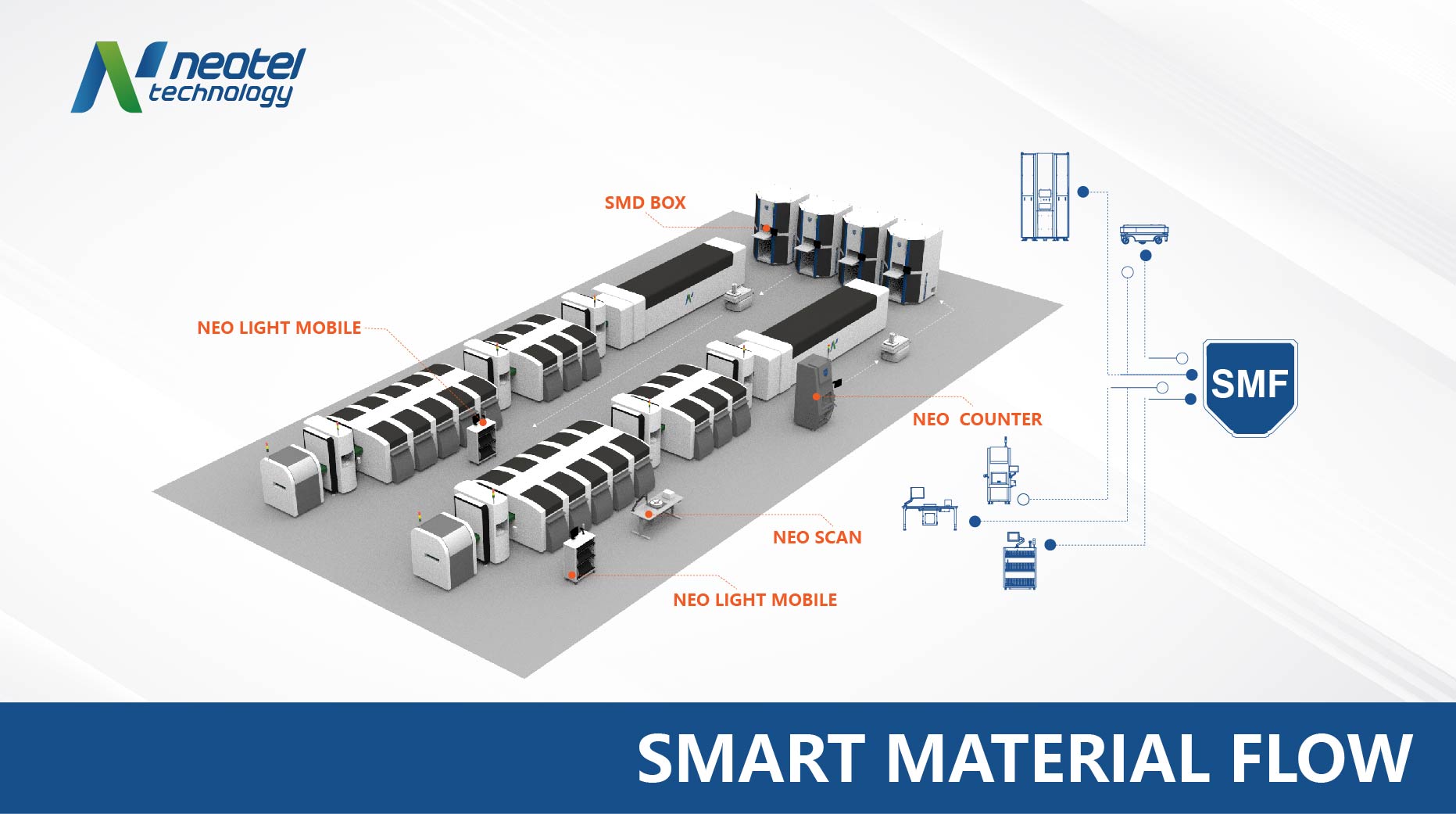
6 things about smart inventory control in SMT industry
Inventory control in electronics manufacturing industry involves managing inventory (also known as stock) from the time it lands in the warehouse to the time it leaves. Good inventory control can ensure reliable production, frees up organization resource by keeping stock levels low – while avoiding running out altogether.